

New British boutique film label Radiance has opened strong with Kosaku Yamashita’s Big Time Gambling Boss among its first releases. This 1968 Japanese film is a fascinating contrast and precursor to better known ‘70s yakuza movies from directors like Kinji Fukasaku. More than a historical curio, though, it’s a gripping crime drama in its own right — a study in flaring tempers and perceived slights spiralling out of control.
Do any digging into the history of yakuza on the silver screen and you’ll no doubt stumble across the distinction between “ninkyo eiga” [chivalry films] and “jitsuroku eiga” [actual record films]. Ninkyo eiga dominated through the 1960s, films that framed the yakuza – Japan’s organised crime families – as bound by unbreakable codes of honour and duty. The heroes of ninkyo eiga are constrained by these codes, depicted like modern day samurai, and typically find themselves pitted against less scrupulous villains, battling for the soul of their gang.
By the early 1970s this had begun to change with films like Fukasaku’s Battles Without Honor and Humanity series reimagining its yakuza protagonists less as honourable heroes in a dishonourable world and more as violent and capricious villains even when they’re the film’s leads. Because Battles drew on newspaper articles for a ripped from the headlines feel, those films became known as ‘actual record’ films or jitsuroku eiga. Big Time Gambling Boss, released in the late 1960s, therefore feels like one of the last hurrahs of the ninkyo subgenre. It’s a film Radiance pitched as the pinnacle of its era, highlighting its pedigree and the influence it had on director Paul Schrader (writer of the ‘70s Robert Mitchum vehicle The Yakuza), but it winds up feeling like much more than hollow marketing copy: it’s a reputation the film lives up to.
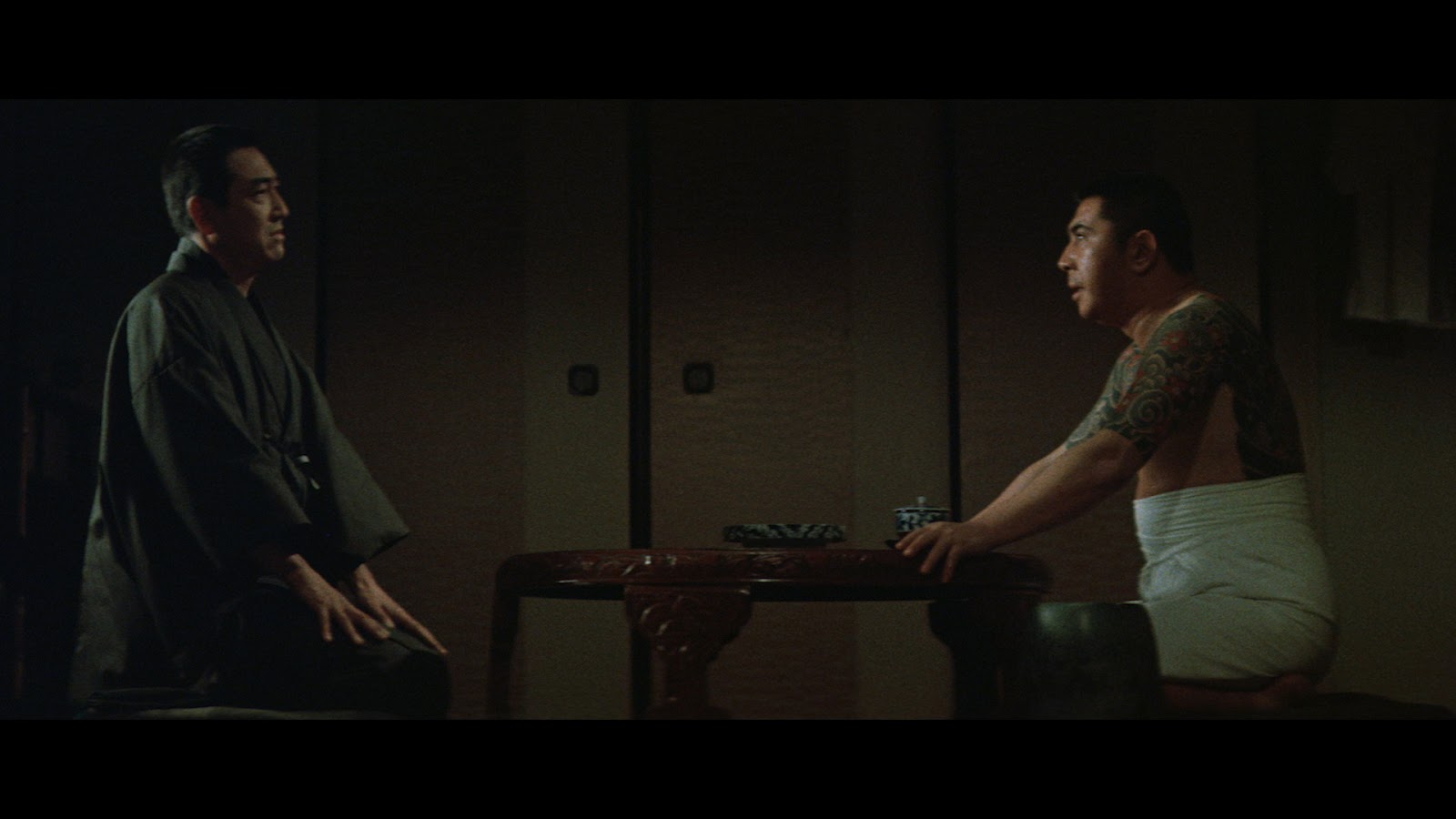
 Bunta Sugawara stars as Kuroda, a wanderer who takes the fall for a murder on the understanding that when he gets out of jail, the Owada crime family will take him on-board and pay handsomely for his service. When his heroin junkie contact (Tsutomu Yamazaki,
 After the success of those films, Toei apparently felt the same way: they wanted Fukasaku to create more sequels. Instead, the director created a new three-film anthology – different stories, different locations, and different characters, but with many of the same actors from his original series. The first film,
  What follows is a remarkable police thriller closer in feel to an ‘80s action film that Fukasaku’s earlier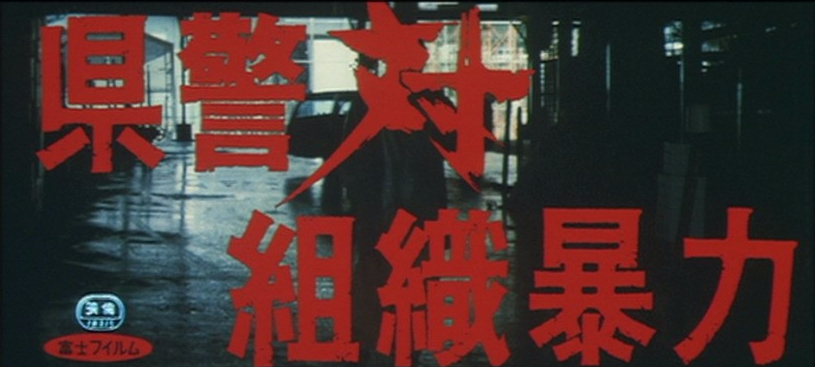
 challenge: at the end of the first film in each,
 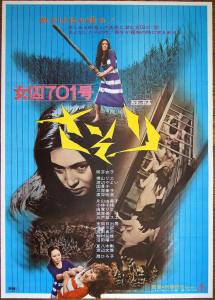 The directorial debut of Shunya Itō, starring Meiko Kaji,
 Kino 893