It’s been far too long since I last updated Kino 893. Part of it is being swamped at my day job since one of my colleagues left in a hurry to greener pastures, and part of it is I simply haven’t been watching enough Japanese films to review! However, I just posted my take on Hideaki Anno and Shinji Higuchi’s Shin Godzilla (2016) and I’ve got Baby Cart in Peril, the next instalment of the Lone Wolf and Cub series, lined up. Hopefully I’ll maintain this as its not like I’m short of content to review – along with the remaining two Lone Wolf and Cub episodes there’s Last Days of the Boss to close out New Battles Without Honour and Humanity and the final Female Prisoner Scorpion movie, #701’s Grudge Song. Plus, Arrow Films have kept me in good stead by releasing a steady stream of Seijun Suzuki’s early films. Between the first two volumes, I’ve got no less than 10 of his early works to get through! Depending on how well each stands alone, I might review those as complete sets rather than individual movies.
A little while ago I posted my thoughts on the predictably dull Hollywood remake of Ghost in the Shell. Along with actual Japanese cinema, I still plan on hitting remakes and other films with ties to Japanese culture – so I feel like I can’t avoid watching Netflix’s The Outsider, a yakuza movie inexplicably starring Jared Leto (although Tokyo Vice author and frequent reporter on all things yakuza Jake Adelstein, whose opinion I greatly respect, writes that “as much as [he] expected to hate the movie, [he] didn’t”). I also picked up the 1974, Sydney Pollack-directed The Yakuza. Roughly contemporaneous with Battles Without Honour and Humanity (and close behind the success of The Godfather) I’m interested to see how ’70s America saw Japanese gangsters.
Away from Japanese cinema, I enjoyed a ‘Cartel season’, checking out a slew of movies revolving around South American drug cartels. Sicario, Savages, Clear and Present Danger stood out among a few more peripherally related movies. 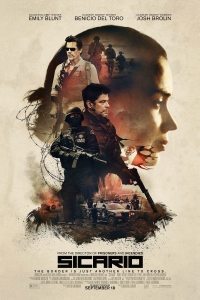 I still want to check out Soderbergh’s Traffic, which seemed to be highly-regarded as ‘the’ Cartel movie until Sicario, and a couple of documentaries like Cartel Land and Narco Cultura. The whole thing was spurred on by the dull yet oddly compelling Ozark, when after the first season I wanted to watch something similar – and after having already seen Breaking Bad, which Ozark shamelessly borrows from, needed to branch out. So far, Sicario is the stand out for its beautiful cinematography and damning indictment of both sides in the War on Drugs, and I wonder if the soon-to-be-released Sicario 2: Soldado will actually be any good.
Beyond a slew of Netflix movies (including Mute, Annihilation, and The Cloverfield Paradox) I haven’t been keeping up with 2018 cinema. I did manage to catch Black Panther, though, and you can listen to my review over on the This Gen, Last Gen podcast. This week marks the release of Avengers: Infinity War and I, for one, am far too excited!
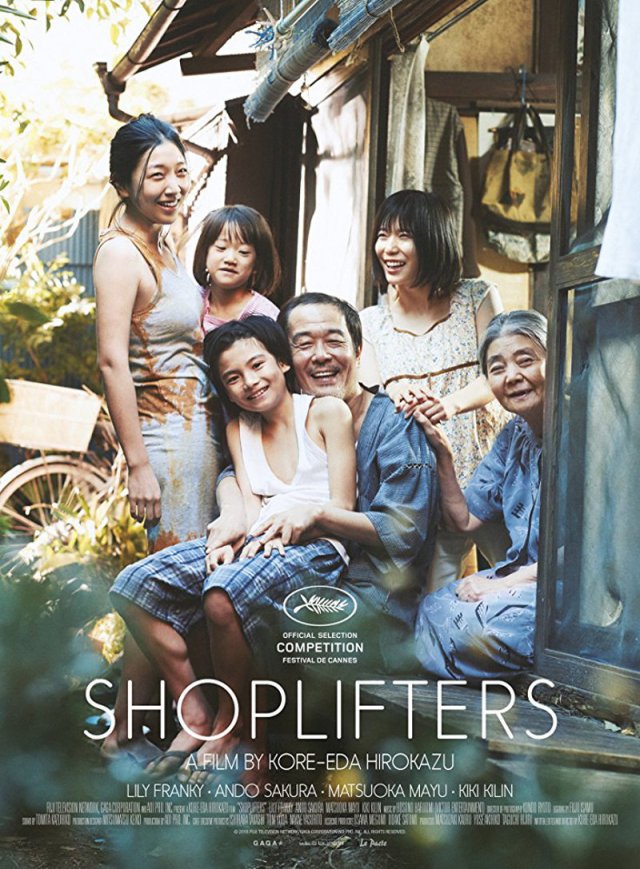
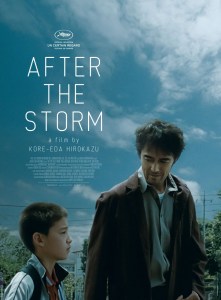 It follows Ryota Shinoda (Hiroshi Abe), an award-winning novelist who has fallen from grace; divorced, estranged from his son, distrusted by by his sister, and struggling to make ends meet as a private detective while squandering half his earnings on gambling. In the midst of typhoon season, Shinoda is trying to piece the fragments of his life together and collect enough cash to pay his overdue alimony before his ex-wife Kyoko (Yoko Maki) withdraws access to their son. What follows is a surprisingly charming cross-section of Shinoda’s life, a film less about him trying to fix what went wrong than simply get out of freefall.
 His business gets an unexpected boost when Tokue (Kirin Kiki) comes into his life. She’s an elderly woman keen to work part-time in his shop, and manages to sway Sentaro into agreeing when he discovers she’s a master at preparing the titular sweet bean paste that goes into the middle of every dorayaki.
  Returning to the
 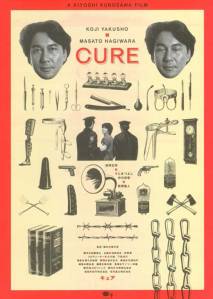 Kiyoshi Kurosawa is a fairly prolific director and, at the time of writing, I have only seen four of his many films. His work seems to be getting some new attention here in the UK with a slew of releases from Arrow Video and Eureka! Masters of Cinema. The latest entry is
 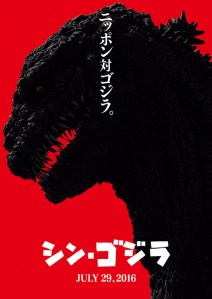 closely would it hew to his classic, cult
  Loosely picking up where

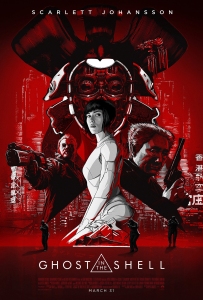 – the US remake from director Rupert Sanders (
 Kino 893